Why Your Bad Breath Keeps Coming Back (Even After Brushing)

Persistent bad breath isn't always caused by poor brushing. Discover the hidden reasons your breath may still smell, the role of your oral microbiome, and science-backed strategies to achieve lasting fresh breath.
Why Your Bad Breath Keeps Coming Back (Even After Brushing)
You brush your teeth every morning. You brush again before bed. You floss regularly. You keep a pack of mints in your pocket. Yet, by lunchtime - or sometimes even sooner - you notice that unpleasant taste returning to your mouth. Maybe someone subtly steps back during a conversation. Perhaps you find yourself constantly reaching for chewing gum before meetings or social events. Despite your best efforts, fresh breath never seems to last.If this sounds familiar, you're far from alone. Persistent bad breath, also known as halitosis, affects millions of people worldwide. While occasional morning breath is completely normal, breath that repeatedly returns despite good oral hygiene often points to a deeper issue. For years, the common advice was simple: brush better, floss more, and use a stronger mouthwash.
But modern research tells a more complete story. Scientists now recognize that your mouth is home to a complex ecosystem of beneficial and potentially harmful microorganisms known as the oral microbiome. When this microbial community becomes unbalanced, odor-producing bacteria can thrive - even if your teeth appear clean.
In other words, bad breath isn't always a sign that you aren't brushing enough. Sometimes it's a sign that the environment inside your mouth needs attention. In this article, we'll explore the hidden causes of recurring bad breath, explain how your oral microbiome influences breath freshness, and discuss practical, science-informed strategies that may help you enjoy longer-lasting fresh breath.
The Embarrassing Problem Few People Talk About
Bad breath is surprisingly common, yet it's one of the least discussed health concerns. Many people don't realize they have it until a family member, close friend, or dentist points it out. Others become so self-conscious that they constantly worry about their breath—even when there's little evidence that anyone notices. This can affect more than confidence. People with persistent bad breath often report:
- Feeling anxious in close conversations.
- Avoiding social gatherings.
- Covering their mouth while speaking.
- Constantly chewing gum or sucking mints.
- Worrying during job interviews or business meetings.
- Feeling uncomfortable in romantic situations.
What Actually Causes Bad Breath?
The answer may surprise you. In many cases, bad breath isn't caused by food itself—it comes from volatile sulfur compounds (VSCs) produced when certain bacteria break down proteins left behind in the mouth. These sulfur-containing gases have odors often compared to:- Rotten eggs
- Sulfur
- Spoiled cabbage
- The back of the tongue
- Between the teeth
- Along the gumline
- Deep gum pockets
The Oral Microbiome: The Missing Piece of the Puzzle
For decades, oral care focused on eliminating bacteria. Today, researchers understand that not all bacteria are harmful. In fact, your mouth contains hundreds of different microbial species, many of which help maintain a healthy oral environment. These beneficial bacteria:- Compete with less desirable microbes for space.
- Help maintain microbial balance.
- Support healthy gums.
- Contribute to a healthier oral environment.
The same thing can happen inside your mouth. When beneficial bacteria decline and odor-producing microbes become more abundant, persistent bad breath may become much more difficult to eliminate using brushing alone. If you'd like a deeper understanding of this fascinating ecosystem, be sure to read our comprehensive guide:
👉 The Complete Guide to the Oral Microbiome: Why Healthy Mouth Bacteria Matter More Than You Think
7 Common Reasons Your Bad Breath Keeps Returning
Bad breath usually has more than one contributing factor. Here are some of the most common reasons it keeps coming back.1. You're Only Cleaning Your Teeth
Many people brush carefully but forget one of the biggest sources of odor-causing bacteria—the tongue. The rough surface of your tongue provides countless tiny spaces where bacteria, food particles, and dead cells can accumulate. Over time, this coating becomes an ideal environment for sulfur-producing bacteria. Adding a tongue scraper or gently brushing your tongue each day can help reduce this buildup.2. Dry Mouth
Saliva is your mouth's natural cleansing system. It helps wash away food particles, neutralize acids, and support a healthy balance of microorganisms. When saliva production decreases, bacteria can multiply more easily. Common causes include:- Dehydration
- Certain medications
- Mouth breathing
- Aging
- Stress
- Diabetes
- Sleeping with your mouth open
3. Gum Problems
Healthy gums fit snugly around your teeth. When gums become irritated or inflamed, deeper pockets can form where bacteria accumulate beyond the reach of your toothbrush. This creates an environment where odor-producing bacteria can flourish. Regular dental cleanings and consistent home care are essential for maintaining gum health.4. Frequent Sugary Snacks
Every sugary snack feeds not only you but also many of the bacteria living in your mouth. Frequent sugar exposure encourages acid-producing bacteria and can contribute to an imbalance in the oral microbiome. Reducing constant snacking—especially on sugary foods and beverages—may help create a healthier oral environment over time.5. You May Have an Imbalance in Your Oral Microbiome
One of the biggest advances in oral health research over the past decade is the growing appreciation for the oral microbiome - the diverse community of microorganisms that naturally inhabit your mouth. In a healthy mouth, beneficial bacteria and other microorganisms exist in a delicate balance. They help maintain a stable environment by competing with potentially harmful microbes for nutrients and space. However, factors such as: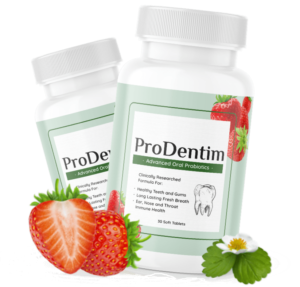 Oral Care Probiotics for Good Tooth and Gums[/caption]
- A diet high in sugar
- Smoking
- Chronic stress
- Certain medications
- Poor oral hygiene
- Dry mouth
- Illness
- Frequent use of harsh antiseptic products
6. Certain Foods Can Leave a Lasting Impact
We've all experienced garlic breath or onion breath. Fortunately, these odors are usually temporary. However, diets consistently high in processed foods, refined carbohydrates, and sugary beverages may encourage the growth of bacteria that contribute to unpleasant breath over time. On the other hand, many whole foods can support a healthier oral environment. Examples include:- Crunchy vegetables
- Apples
- Leafy greens
- Plain yogurt
- Cheese
- Nuts
- Green tea
- Water-rich fruits
7. Underlying Health Conditions
Sometimes, bad breath originates from factors beyond the mouth. Possible contributors include:- Sinus infections
- Tonsil stones
- Acid reflux (GERD)
- Diabetes
- Respiratory infections
- Certain digestive conditions
Is Mouthwash Always the Answer?
Many people instinctively reach for a strong antiseptic mouthwash when they notice bad breath. There's no question that some mouthwashes can temporarily reduce odor. But here's an interesting question researchers are asking:Could repeatedly trying to eliminate all bacteria interfere with the natural balance of the oral microbiome?
The answer isn't entirely straightforward. Antiseptic mouthwashes can be useful in specific situations and are often recommended by dental professionals after certain procedures or for particular oral health conditions. However, they are not intended to replace:
- Brushing
- Flossing
- Tongue cleaning
- Healthy nutrition
- Regular dental visits
The Growing Interest in Oral Probiotics
If you've heard of probiotics for digestive health, you may be surprised to learn that researchers are also studying probiotics designed specifically for the mouth. Unlike digestive probiotics, oral probiotics are formulated to interact with the unique microbial environment found in the oral cavity.The goal isn't to sterilize the mouth. Instead, these products aim to support a healthier balance of beneficial bacteria, complementing good oral hygiene habits. While research is still developing, interest in oral microbiome support has grown considerably as scientists continue exploring how microbial balance influences fresh breath, gum health, and overall oral wellness.
Where DentaBiome Fits Into a Modern Oral Care Routine
As awareness of the oral microbiome grows, more people are looking beyond traditional toothpaste and mouthwash for ways to support long-term oral health.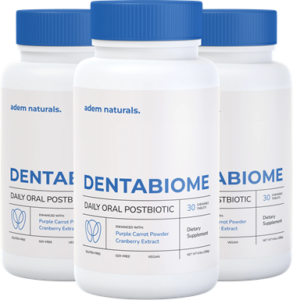 One supplement that has attracted attention is DentaBiome.
Rather than focusing solely on masking odors, DentaBiome is designed to complement your existing oral hygiene routine by supporting a balanced oral microbiome. Its formulation is intended to work alongside brushing, flossing, healthy nutrition, and regular dental care - not replace them.
This "inside-out" approach reflects a broader shift in oral health research, where maintaining a healthy microbial balance is increasingly recognized as an important part of oral wellness.
One supplement that has attracted attention is DentaBiome.
Rather than focusing solely on masking odors, DentaBiome is designed to complement your existing oral hygiene routine by supporting a balanced oral microbiome. Its formulation is intended to work alongside brushing, flossing, healthy nutrition, and regular dental care - not replace them.
This "inside-out" approach reflects a broader shift in oral health research, where maintaining a healthy microbial balance is increasingly recognized as an important part of oral wellness.
Many users are interested in products like DentaBiome because they address one of the underlying factors associated with recurring bad breath: the balance of bacteria living in the mouth.
Of course, results can vary from person to person, and no supplement should be viewed as a substitute for professional dental advice or treatment. However, for people who have already established good oral hygiene habits and are looking for an additional way to support their oral microbiome, DentaBiome may be worth exploring.
Want to learn more about DentaBiome and how it supports a balanced oral microbiome?
8 Daily Habits That Can Help You Enjoy Fresher Breath
While there isn't a single magic solution for chronic bad breath, combining healthy habits often delivers the best results.Brush Twice Daily
Brush for at least two minutes using a soft-bristled toothbrush and fluoride toothpaste.Clean Your Tongue
A tongue scraper can remove bacterial buildup that brushing alone may miss.Floss Every Day
Flossing removes trapped food particles and plaque from areas your toothbrush cannot reach.Drink More Water
Good hydration supports saliva production, one of your mouth's most important natural defenses.Reduce Frequent Sugar Intake
Less frequent sugar exposure means fewer opportunities for odor-producing bacteria to thrive.Eat a Balanced Diet
Choose whole foods that support both overall health and a healthy oral environment.Visit Your Dentist Regularly
Professional cleanings remove hardened plaque that home brushing cannot eliminate.Consider Supporting Your Oral Microbiome
Alongside good oral hygiene, some people choose to include products designed to support a balanced oral microbiome. This is where DentaBiome may fit into a well-rounded daily routine. Rather than replacing brushing and flossing, it's intended to complement them by supporting the natural balance of beneficial bacteria in the mouth.A Real-Life Example
Consider two people who both brush twice a day. Emily brushes regularly but often skips flossing, rarely cleans her tongue, snacks on sugary treats throughout the day, and drinks very little water. James also brushes twice daily, but he flosses, uses a tongue scraper, stays hydrated, limits sugary snacks, and pays attention to supporting his oral microbiome as part of his overall oral care routine.After several months, James is more likely to maintain a healthier oral environment because he's addressing multiple factors—not just brushing alone. Fresh breath is rarely the result of one habit. It's usually the result of many small, consistent choices working together.
Foods That Naturally Support Fresher Breath
While no single food can permanently eliminate bad breath, your daily diet can influence the environment inside your mouth. Some foods encourage the growth of odor-producing bacteria, while others help support saliva production and a healthier oral microbiome. Here are some foods worth adding to your diet:🥬 Leafy Greens
Spinach, kale, and lettuce are rich in vitamins and minerals that support overall oral and general health. Their high water content also helps keep your mouth hydrated.🍎 Apples
Often called "nature's toothbrush," apples stimulate saliva production while their crisp texture helps remove some food particles from the surfaces of your teeth.🥕 Crunchy Vegetables
Carrots and celery require plenty of chewing, which naturally increases saliva flow and helps cleanse the mouth.🧀 Cheese
Cheese stimulates saliva production and may help neutralize acids in the mouth. It also provides calcium, which supports healthy teeth.🥛 Plain Yogurt
Unsweetened yogurt contains beneficial bacteria that may support microbial balance in both the gut and, indirectly, overall health. Choose varieties without added sugar.🌰 Nuts and Seeds
These provide healthy fats and nutrients while encouraging chewing, which promotes saliva production.🍵 Green Tea
Green tea contains naturally occurring polyphenols that researchers continue to study for their potential role in supporting oral health.💧 Water
Never underestimate the importance of staying hydrated. Water:- Helps rinse away food debris.
- Supports healthy saliva production.
- Dilutes acids.
- Keeps oral tissues moist.
Common Mistakes People Make When Trying to Fix Bad Breath
Many people unknowingly make the problem worse by focusing on quick fixes rather than long-term solutions. Here are some of the biggest mistakes:❌ Only Brushing Their Teeth
Your tongue and the spaces between your teeth also harbor bacteria.❌ Relying on Breath Mints
Most mints temporarily mask odors but don't address the underlying cause.❌ Using Strong Mouthwash Constantly
While mouthwash has its place, it shouldn't be viewed as the only solution. A balanced oral care routine is generally more effective than simply trying to eliminate all bacteria.❌ Ignoring Bleeding Gums
Bleeding gums are not "normal." They may indicate gum inflammation that deserves attention from your dentist.❌ Not Drinking Enough Water
Even mild dehydration can reduce saliva production, allowing odor-producing bacteria to flourish.❌ Skipping Dental Checkups
Professional cleanings remove tartar that cannot be eliminated with home brushing alone.❌ Expecting Overnight Results
Improving your oral environment is much like improving your overall health—it takes consistency. Small daily habits usually produce the greatest long-term benefits.Frequently Asked Questions
Why does my breath smell bad even after brushing?
Brushing removes plaque and food particles, but it doesn't always address other contributors such as tongue bacteria, dry mouth, gum problems, or an imbalance in the oral microbiome.Is bad breath always caused by poor oral hygiene?
No. Persistent bad breath can have many causes, including dry mouth, sinus issues, acid reflux, certain medications, smoking, gum disease, and changes in the oral microbiome.Can drinking more water improve bad breath?
Yes. Adequate hydration supports saliva production, which helps naturally cleanse the mouth and maintain a healthier oral environment.Are oral probiotics effective?
Research into oral probiotics is continuing, and results vary depending on the specific formulation and individual. They are intended to complement—not replace—good brushing, flossing, and regular dental care.What is DentaBiome?
DentaBiome is an oral health supplement formulated to support a balanced oral microbiome. Rather than simply masking bad breath, it is designed to complement your daily oral hygiene routine by helping maintain a healthier population of beneficial bacteria in the mouth. If you're curious about this microbiome-focused approach to oral wellness, you can learn more here:Can DentaBiome replace brushing and flossing?
No. Like other oral health supplements, DentaBiome is intended to complement - not replace - daily brushing, flossing, tongue cleaning, and regular dental visits.Final Thoughts
Persistent, bad breath can be frustrating, embarrassing, and difficult to understand—especially when you're already brushing and flossing regularly. Fortunately, modern research offers a more complete explanation. Fresh breath isn't simply about removing bacteria. It's about maintaining a healthy balance within the oral microbiome.By supporting beneficial bacteria through good oral hygiene, smart nutrition, proper hydration, regular dental care, and healthy lifestyle habits, you're addressing the underlying environment that influences your breath—not just covering up unpleasant odors. For many people, that also means looking beyond traditional oral care products.
As awareness of the oral microbiome continues to grow, products like DentaBiome are introducing a different perspective on oral wellness. Instead of focusing solely on temporary freshness, DentaBiome is designed to work alongside your existing oral care routine by supporting a balanced oral microbiome.
While individual results vary and no supplement can replace proper dental care, incorporating microbiome support into a comprehensive oral hygiene routine may be a valuable addition for those seeking lasting oral wellness.
Ready to Take the Next Step?
If recurring bad breath has been affecting your confidence despite brushing and flossing, it may be time to look beyond temporary fixes. Supporting the health of your oral microbiome could be an important part of a more complete approach to fresher breath and healthier gums. Learn more about DentaBiome and discover how it can complement your daily oral care routine.