Silent Inflammation: The Overlooked Driver of Prostate Problems as Men Age
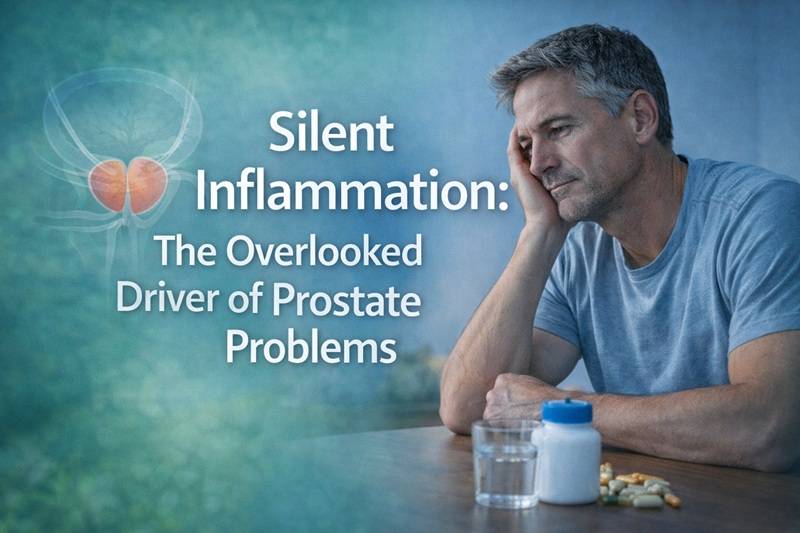
Why chronic inflammation quietly disrupts prostate health - and what science-backed strategies can help restore balance
Inflammation is one of those words most people associate with sore joints, aching muscles, or post-workout recovery. Rarely does it come up in conversations about prostate health — and yet, in medical research, inflammation keeps appearing as a quiet but powerful contributor to many prostate-related concerns.
I first started paying closer attention to this connection years ago after speaking with a retired engineer in his early 60s during a wellness seminar. He exercised regularly, ate “reasonably well,” and had no major health diagnoses. Yet he described a growing frustration with nighttime bathroom trips, weak urinary flow, and a persistent sense that something was “off.”
His lab work was unremarkable. PSA levels were within range. What stood out, however, were elevated markers of systemic inflammation — something his doctors hadn’t focused on until much later.
Stories like his aren’t unusual.
As men age, inflammation often rises quietly in the background, influencing tissues and organs long before symptoms become disruptive. And the prostate — a small but sensitive gland — is particularly vulnerable.
Understanding Inflammation: Acute vs. Chronic
Inflammation itself isn’t the enemy. In fact, it’s essential.
- Acute inflammation helps the body heal after injury or infection.
- Chronic inflammation, however, lingers — sometimes for years — subtly damaging tissues and disrupting normal function.
This low-grade, persistent inflammation is now recognized as a key factor in:
- Cardiovascular disease
- Metabolic disorders
- Cognitive decline
- And increasingly, prostate enlargement and urinary dysfunction
Unlike acute pain or swelling, chronic inflammation rarely announces itself loudly. Instead, it works slowly - altering cellular behavior, blood flow, and hormone signaling.
Why the Prostate Is Especially Sensitive to Inflammation
The prostate sits at a crossroads of hormonal activity, immune response, and urinary function. As men age, several things happen simultaneously:
- Testosterone gradually declines
- Estrogen activity becomes more pronounced
- Blood flow efficiency may decrease
- Oxidative stress increases
Inflammation amplifies each of these changes.
Research has shown that inflammatory cells are frequently present in prostate tissue samples from men with benign prostatic hyperplasia (BPH). Over time, this inflammatory environment can contribute to:
- Tissue swelling
- Glandular enlargement
- Compression of the urethra
- Increased urinary urgency and frequency
In short, inflammation doesn’t just accompany prostate problems -it often drives them.
The Lifestyle Inflammation Feedback Loop
One of the most fascinating (and frustrating) aspects of inflammation is how tightly it’s connected to modern lifestyle patterns.
Factors that raise inflammatory load include:
- Diets high in processed foods and refined sugars
- Chronic psychological stress
- Poor sleep quality
- Sedentary habits
- Environmental toxin exposure
Many men don’t notice the cumulative effect until their 40s or 50s, when prostate-related symptoms start to surface.
A clinician I once collaborated with described it well:
“The prostate becomes the messenger — not the problem.”
Inflammation and Urinary Symptoms
When inflammation affects prostate tissue, even small changes can create noticeable discomfort. Men often report:
- Needing to urinate more frequently at night
- A sensation of incomplete bladder emptying
- Reduced urinary stream strength
- Intermittent flow
These symptoms don’t always correlate with prostate size alone. In fact, some men with only mild enlargement experience significant symptoms — suggesting inflammation plays a major role.
This is where broader prostate-support strategies become relevant.
Nutrition’s Role in Calming Inflammation
While no single food “cures” inflammation, dietary patterns strongly influence inflammatory pathways.
Research consistently highlights the benefits of:
- Omega-3 fatty acids
- Antioxidant-rich vegetables
- Polyphenols from fruits and herbs
- Zinc and selenium from whole foods
These nutrients help regulate immune response and reduce oxidative stress within prostate tissue.
If you’re interested in this area, the article on prostate-friendly foods and lifestyle habits explores this topic in more depth and pairs well with the strategies discussed here.
Targeted Nutrients for Prostate Inflammation Support
Beyond diet alone, certain plant compounds and micronutrients have been studied specifically for prostate comfort and urinary flow support.
These include:
- Saw palmetto extracts
- Beta-sitosterol
- Lycopene
- Stinging nettle root
- Herbal anti-inflammatory complexes
Some men choose to explore targeted prostate-support formulations that combine these ingredients in clinically informed ratios — particularly when lifestyle changes alone aren’t enough.
In this context, solutions like ProstaVive or PrimeGENIX Prostate Support are often positioned as complementary options — each appealing to slightly different preferences, whether someone prioritizes metabolic support, circulation, or herbal balance.
The key is that these approaches aim to support the prostate environment, not simply mask symptoms.
Inflammation, Hormones, and Aging
Hormonal shifts amplify inflammation’s impact.
As testosterone gradually declines, estrogen-related activity becomes relatively stronger. This imbalance may increase inflammatory signaling in prostate tissue.
At the same time:
- Insulin sensitivity may decrease
- Visceral fat increases
- Inflammatory cytokines rise
This interconnected process helps explain why prostate symptoms often emerge alongside changes in weight, energy levels, and metabolic health.
Addressing inflammation, therefore, isn’t just about urinary comfort — it’s about whole-body balance.
Early Warning Signs Worth Paying Attention To
Many men dismiss early symptoms as “just aging.” But subtle signs often appear years before more disruptive issues develop.
These include:
- Occasional nighttime urination
- Mild urgency during the day
- Reduced flow consistency
If these sound familiar, it may be helpful to review the article on early signs of prostate imbalance, which outlines when proactive steps are most effective.
A Real-World Perspective
One of the most consistent patterns I’ve observed — both in research and real conversations — is that men who take action early report far better outcomes.
A former colleague in his late 50s once joked that his biggest regret wasn’t ignoring symptoms — it was ignoring inflammation. Once he adjusted his diet, stress levels, and added targeted prostate support, his symptoms gradually stabilized.
He put it simply:
“I stopped fighting my body and started supporting it.”
Putting It All Together: A Smarter Prostate Strategy
Rather than focusing on one isolated factor, the most effective prostate-health approaches tend to combine:
- Anti-inflammatory nutrition
- Lifestyle balance (sleep, stress, movement)
- Hormonal awareness
- Targeted prostate support when appropriate
This holistic view aligns closely with the complete prostate health guide, which serves as the foundation of this entire article series.
Final Thoughts
Inflammation doesn’t announce itself — but its effects accumulate quietly over time. By understanding its role in prostate health, men can make informed, proactive choices that support comfort, confidence, and long-term vitality.
The earlier those choices begin, the more powerful they tend to be.
If you’re serious about protecting your prostate as you age, now is the time to take a supportive, research-informed approach. Explore the full prostate health guide, review lifestyle strategies, and consider whether targeted prostate support fits your personal wellness goals.
Your future comfort may depend on the steps you take today.